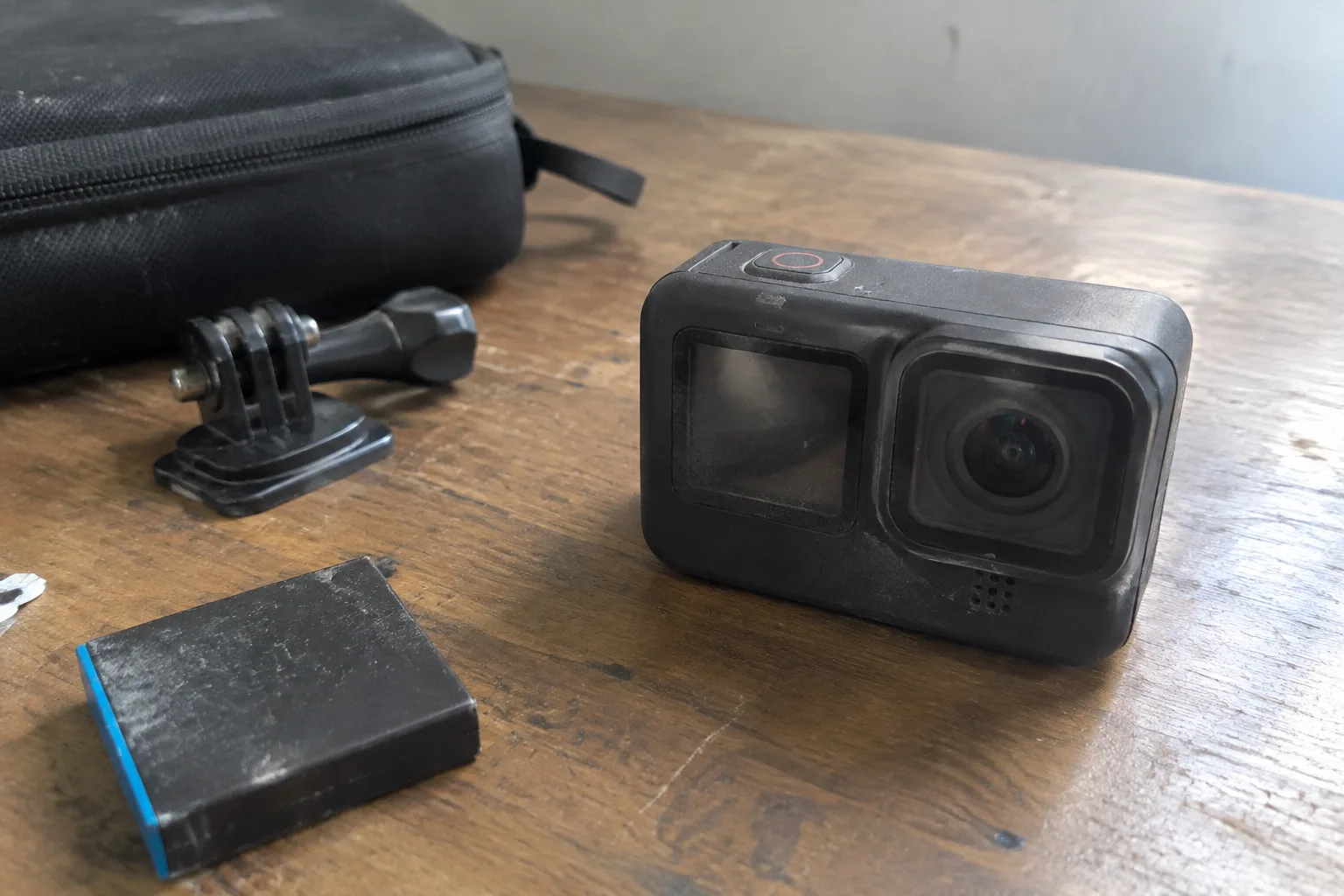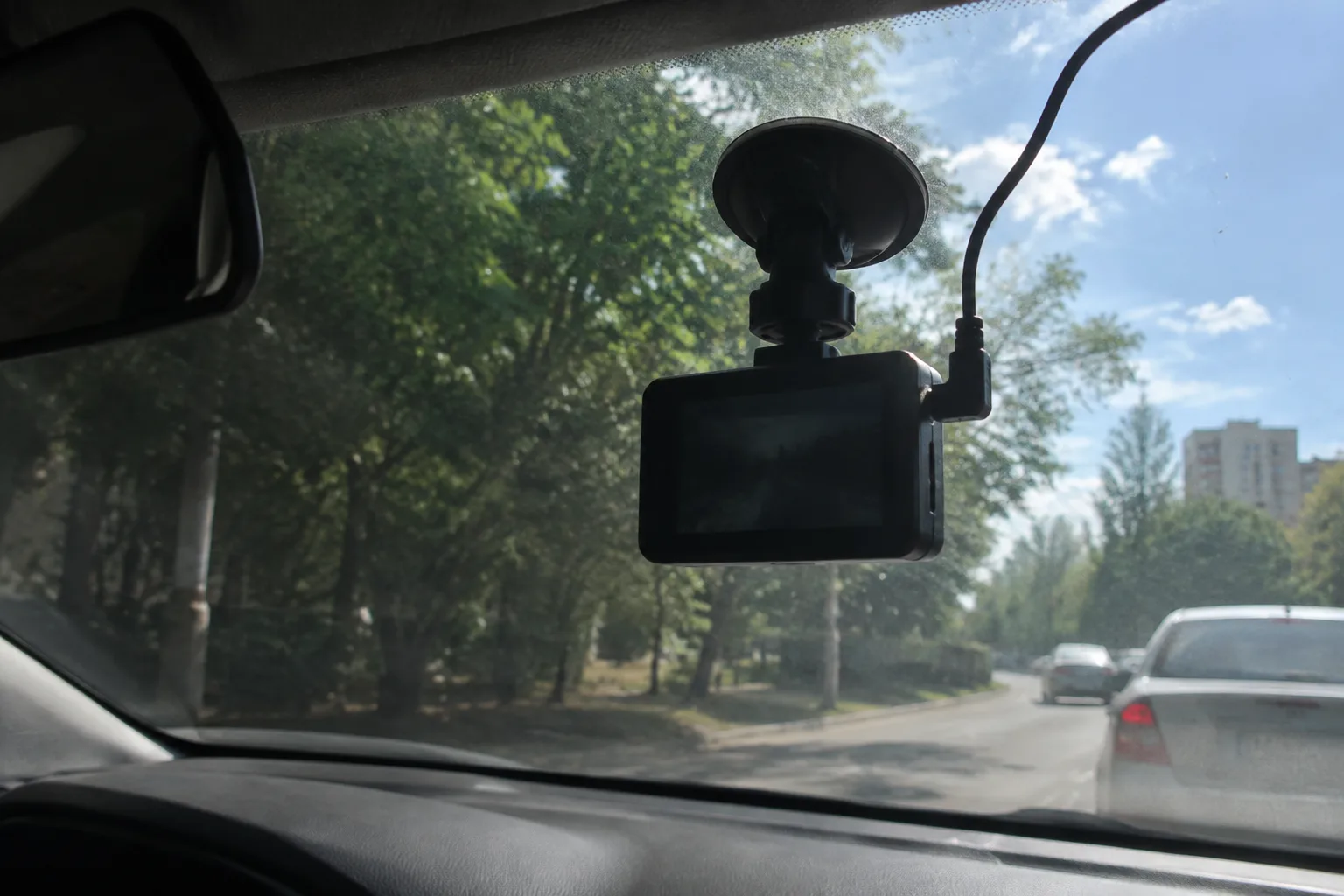
Dashboard cameras fail in summer for a boring reason: the cabin of a parked car turns into an oven, and the camera sits at the top of the windshield where the heat gathers worst. A device rated for operation up to 60 degrees Celsius may see interior surfaces climb past 70 on a July afternoon in Phoenix or a closed garage in Atlanta. The specification sheet rarely mentions this. The camera works fine in October and dies in August, and the owner blames the brand instead of the parking spot.
Most dash cam shopping advice concerns resolution, night vision, and whether the thing loops correctly. Those matter. Heat tolerance matters more, because a camera that overheats stops recording exactly when a driver needs it, and because the failure is often silent. The unit reboots, the file corrupts, the screen freezes. Nobody notices until the footage is needed.
What the operating temperature range actually tells a buyer
Every dash cam box lists two ranges: operating and storage. The operating range describes conditions while the camera is recording. The storage range describes the parked car. A camera with a storage ceiling of 70 degrees Celsius sounds robust until a person converts it and realizes that is 158 Fahrenheit, a temperature a black dashboard can reach by mid-morning in direct sun.
The useful number is the storage ceiling, and the useful question is how much margin it leaves. A camera rated to 85 Celsius for storage carries real headroom. One rated to 60 is asking for trouble in the South and Southwest. Manufacturers publish these figures in manuals and spec tables, sometimes in tiny type on the product page, and they are the first thing worth checking.
Battery chemistry is the other half of the story. Lithium-ion cells degrade when hot, and a swollen battery is a common end for cheap dash cams after two summers. A camera built around a supercapacitor instead of a battery handles heat far better, because a capacitor stores charge without the chemical breakdown that afflicts lithium cells. The tradeoff: a supercapacitor holds little energy, so the camera cannot record for long after the ignition cuts. For parking mode, that limitation matters.
The windshield is the hottest place in the car
Glass amplifies the problem. Sunlight passes through the windshield and heats the dashboard, the seats, the air inside. The camera is mounted high on that glass, often behind the mirror, where the plastic housing traps air and the sun hits directly. On a clear day the surface of a dashboard can exceed 80 Celsius. The camera does not sit on the dashboard, but it lives in the same pocket of superheated air, and its own black plastic body absorbs radiant heat.
A reflective sunshade across the windshield helps more than most accessories sold for this purpose. So does parking nose-in to the sun rather than tail-in, so the windshield faces away. A garage or a carport solves it entirely. None of these are camera features, which is the point: the buyer controls the thermal environment more than the manufacturer does.
Why parking mode shortens a camera's life
Parking mode is the feature that sells dash cams to people worried about hit-and-runs and door dings. It is also the feature that cooks the unit. A camera recording continuously while parked runs its processor and sensor for hours in the hottest conditions, with no airflow and no cabin cooling. Some units use a low-power motion trigger to reduce this, waking only when something moves. Others record time-lapse. Both approaches generate heat, and both keep the camera awake in the worst possible place.
A hardwired parking mode draws from the car battery through a voltage cut-off, which protects the battery but does nothing for the camera's temperature. The honest calculation: parking mode is worth having, and it should be used with an eye on the season. A camera that survives a mild climate may not survive a hardwired summer in a sun-baked lot.
Heat-tolerant features worth paying for
Supercapacitor power is the clearest signal of a camera designed for hot climates. It costs more than a battery and appears in the spec sheet as "supercapacitor" or "capacitor" rather than "battery." Buyers who scan for that word filter out a large share of the fragile options.
Metal or ventilated housings help, though the difference is modest compared with the power source. A camera with a metal body sheds heat faster than one sealed in glossy plastic, but a metal body in direct sun also gets hot faster. Ventilation slots let air move, at the cost of dust ingress over years.
High-temperature shutoff is a safety feature that deserves more attention. A camera that detects excessive heat and powers down protects its own electronics, at the cost of missing footage. A camera without that protection keeps recording until something fails. The first is annoying; the second is expensive.
Wide operating ranges in the manual, a clear statement of storage limits, and a manufacturer that answers questions about heat directly all count. A brand that publishes 85 Celsius storage and explains its thermal design has thought about the problem. A brand that lists only "operating temperature" and leaves storage blank has not.
The memory card is the quiet failure point
Heat kills memory cards too, and a card that fails mid-loop takes the footage with it. High-endurance cards rated for continuous recording and higher temperatures cost a little more and last longer in a hot car. A standard card that works fine in a phone may corrupt after a summer of 70-degree storage. The card is cheap relative to the camera and relative to the hassle of losing a clip.
Card failure is also hard to diagnose. The camera reports a card error, or the footage is there but unreadable, or the loop overwrites the segment that mattered. A buyer who spends on a heat-tolerant camera and then fits a bargain card has protected half the system.
A practical way to choose
Start with the climate. A driver in Seattle has different constraints from a driver in Las Vegas. In mild climates, a battery camera with a 60 Celsius storage rating will probably last, though it will still age faster than a capacitor unit. In hot climates, a supercapacitor camera with an 85 Celsius storage ceiling is the safer default, and parking mode should be used with care or skipped.
Check the manual, not the marketing page, for both temperature ranges. Look for high-temperature shutoff. Budget for a high-endurance card. Mount the camera away from direct sun where the windshield allows, and use a sunshade when parked. These steps cost little and address the failure mode that actually ends dash cams in summer.
The camera that survives is usually the one bought with the parking spot in mind, not the one with the longest feature list. A buyer who reads the storage ceiling and understands what a supercapacitor is will make a better decision than one who compares frame rates. The heat does not care about frame rates.
What a dead camera looks like after two summers
The end usually arrives quietly. A camera that worked all spring boots to a black screen on an August afternoon, or records for six minutes and then freezes, or shows a battery icon that never fills. The plastic housing may look fine. The card may be readable. The failure sits inside, in a swollen battery or a cooked capacitor or a solder joint that gave up after too many thermal cycles.
Replacement is the easy part. The harder lesson is that the first camera was chosen on the wrong criteria, and the second one will be too unless the storage ceiling and the power source get checked before anything else. A summer is a long test, and the parking lot runs it every day.