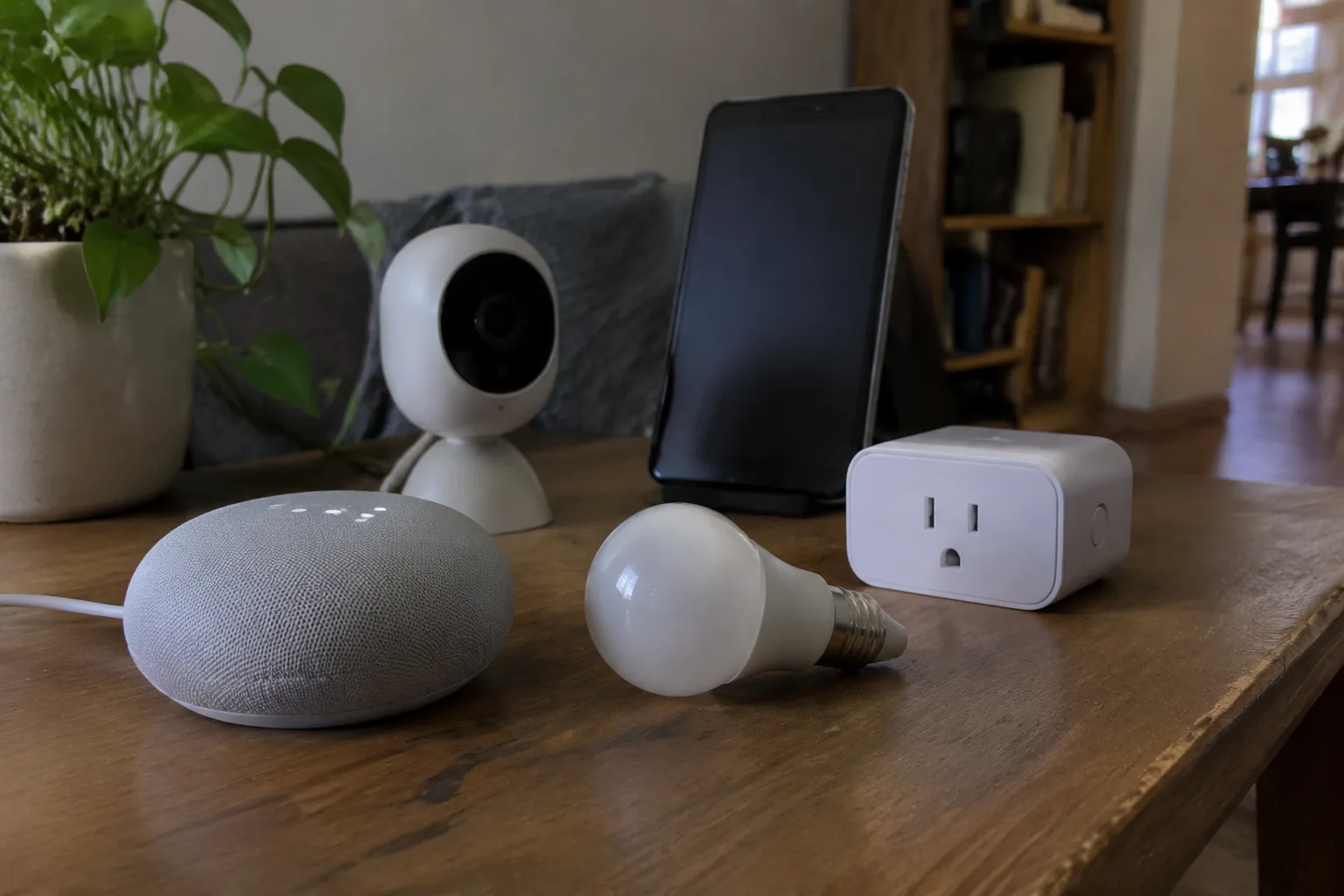
The box arrives with a picture of a house on it. Inside: one speaker, two plugs, a bulb, a hub the size of a deck of cards, and a card that says "setup in minutes." The buyer plugs in the hub, downloads the app, and watches the first update download at a speed that suggests the company's servers are in a basement somewhere. Three hours later the bulb works. The plug does not. The speaker wants an account tied to a different login than the hub. The total on the receipt said $199. The number that matters will be closer to $600 by the time the system actually runs a lamp, a lock, and a thermostat without anyone shouting at it.
A starter kit is a sales floor, not a working system. The individual pieces are cheap because they are priced to get a router talking to a bulb. The rest of the cost hides in the things the box does not contain: sensors, a second hub for the brand that does not talk to the first one, a subscription, and the hours spent reading forums at 11 p.m. because the app says "device offline" and the device is, visibly, online.
The sticker price is a down payment, not a total
Most starter kits land between $150 and $300. That buys a hub, a couple of smart plugs, a bulb or two, and sometimes a motion sensor or a cheap camera. The hardware is real and the price is honest for what it is. The problem is scope. A kit designed to prove the concept covers one room. The moment the idea spreads to the front door, the garage, and the bedroom, the kit runs out of parts.
The first hidden cost is the second hub. Smart home gear splits into a few incompatible families: Zigbee, Z-Wave, Matter, and the proprietary bridges that brands insist on. A starter kit usually includes one radio. The lock a person wants may need a different one. A $199 kit plus a $70 bridge plus a $35 range extender for the far end of the house starts to look like a $300 project before a single sensor is added.
Then there are the parts nobody lists on the wish list. A door sensor for the back gate. A leak sensor under the water heater. A second motion sensor because the first one faces the wrong way. A smart button so the lamp can be turned off without a phone. Each one is $15 to $40, and each one is the reason the first piece was bought. Ten small purchases later, the $199 kit has quietly become a $450 install.
Subscriptions that appear on month three
Cameras are the classic case. The camera in a kit costs $40 and records nothing once the free trial ends. Cloud storage runs $3 to $15 a month per camera, which turns a cheap camera into a $100 annual commitment. Doorbell cameras and video doorbells do the same thing. A brand sells the hardware near cost and makes the margin on the subscription, and the buyer discovers this after the return window has closed.
Security monitoring is the larger version. A starter kit with an alarm panel often includes a free month of professional monitoring, then converts to $10 to $30 a month. The kit is a doorway into a service contract. There is nothing wrong with paying for monitoring, and plenty of households find it worthwhile. The cost is real and recurring, and it belongs in the setup math from day one.
Some brands also gate basic features behind a plan: saved recordings, remote access, custom automations, or the ability to see the camera from outside the home network. The customer bought the hardware, and then the hardware asks for a fee to do the thing the box advertised.
The router is usually the weak link
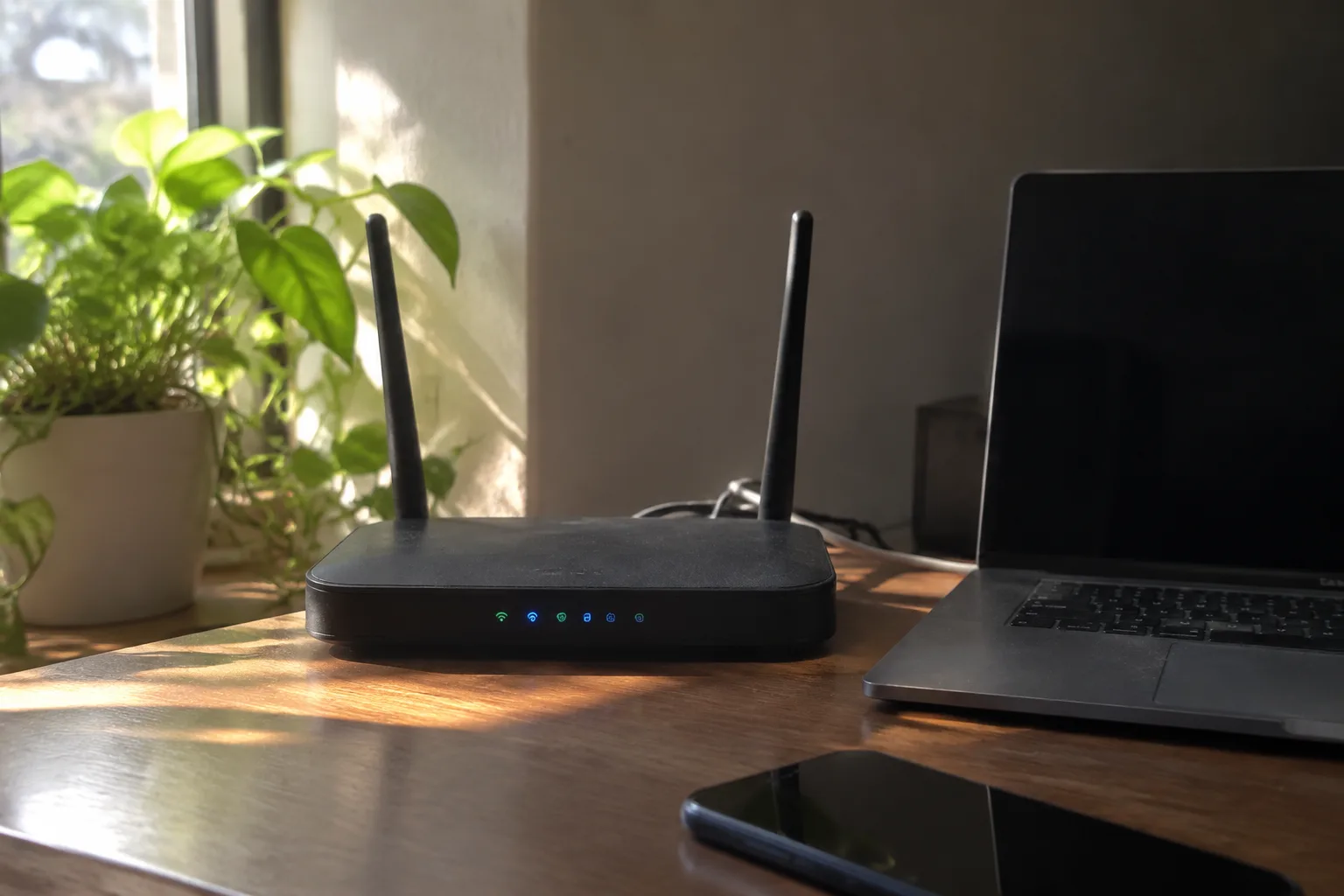
A house with twenty smart devices puts real strain on a router that was sized for two laptops and a television. Smart plugs and bulbs hold a persistent connection, and many of them sit at the edge of Wi-Fi range, in a garage or on a back porch. The symptom shows up as a device that works for two weeks and then drops off, and the fix is a mesh system or an access point, which is $100 to $300 the starter kit never mentioned.
There is also the power problem. Smart devices need to stay powered to stay connected, and a plug that dies with the wall switch is a plug that goes offline every evening. The cheap solution is a battery, which needs replacing, or a rewiring job, which needs an electrician. A house built before the 1980s often has switch loops and no neutral wire at the switch box, which rules out most smart switches without added cost.
The hours are the biggest line item
Setup time is the cost most people underreport to themselves. A single bulb takes ten minutes. A hub with ten devices, a few automations, and one voice assistant takes an afternoon. A house with three ecosystems, a lock, a thermostat, and a camera system takes a weekend, and part of that weekend is spent on the phone with support or reading a forum thread from 2019 about a firmware bug that was fixed and then unfixed.
That time has a price even when nobody writes an invoice. A person who bills $50 an hour and spends eight hours getting the house to work has spent $400 in labor, which dwarfs the hardware budget. The trade is worth it for plenty of people, and the pleasure of a lamp that turns on at sunset is real. The arithmetic still belongs on the page.
Matter fixed the protocol and not the patchwork
Matter was supposed to end the hub chaos by letting devices from different brands speak one language. It has helped. It has not delivered the clean slate the marketing implied. Older devices need a bridge to join a Matter network. Some brands implement Matter partially, so a lock pairs but loses its finer settings. A new buyer in 2025 still ends up checking compatibility charts, and the charts are maintained by the same companies selling the hardware.
The practical result is that a starter kit bought today is more likely to interoperate than one bought five years ago, and still not guaranteed to. A household that picks one ecosystem and stays inside it pays less in bridges and frustration. A household that chases the best device in each category pays in adapters and in evenings spent re-pairing things.
A realistic first-year budget for a small house
Take a two-bedroom house with a front door, a back door, a garage, and four rooms that matter. A starter kit at $200 covers the hub, two plugs, and two bulbs. Add a smart lock at $150, a video doorbell at $100 plus $36 a year for storage, a thermostat at $130, four door and window sensors at $80, two motion sensors at $50, a leak sensor at $25, and a mesh access point at $120. That comes to roughly $855 in hardware and about $36 in the first year of subscriptions, plus a Saturday of setup.
Trim the list to the essentials (hub, lock, doorbell, thermostat, three sensors) and the number lands near $600. Skip the lock and the doorbell and the kit alone is enough for a renter who wants lamps and a plug to behave. The cost scales with ambition, and the kit is the entry fee rather than the whole ticket.
Where the money actually goes wrong
The waste shows up in three places. The first is buying a device that needs a hub the household does not own, which means a second purchase and a second app. The second is buying a cheap camera and discovering the subscription is mandatory for the feature that made the camera worth buying. The third is buying a smart switch for a house without a neutral wire, which turns a $25 switch into a $200 electrician visit.
Each of these is avoidable with ten minutes of checking before the order is placed. The compatibility chart, the neutral wire requirement, and the subscription terms are all published. They are just not on the box, and the box is what gets read in the store.
The kit is a sampler, and samplers are priced to tempt
A starter kit does one job well: it proves whether the household actually wants a smart home. That is worth $200. The trap is treating the kit as the finished product, then discovering the finished product costs three times as much and needs a router upgrade, a subscription, and a free weekend. The honest framing is that the kit is a $200 audition for a $600 to $900 habit.
Some households will run the audition and decide the lamp on a schedule is enough. That is a fine outcome and the cheapest one. Others will keep going, and the budget should be set before the second hub is ordered, not after. The box with the picture of the house on it is a beginning, and beginnings are priced to look smaller than they are.