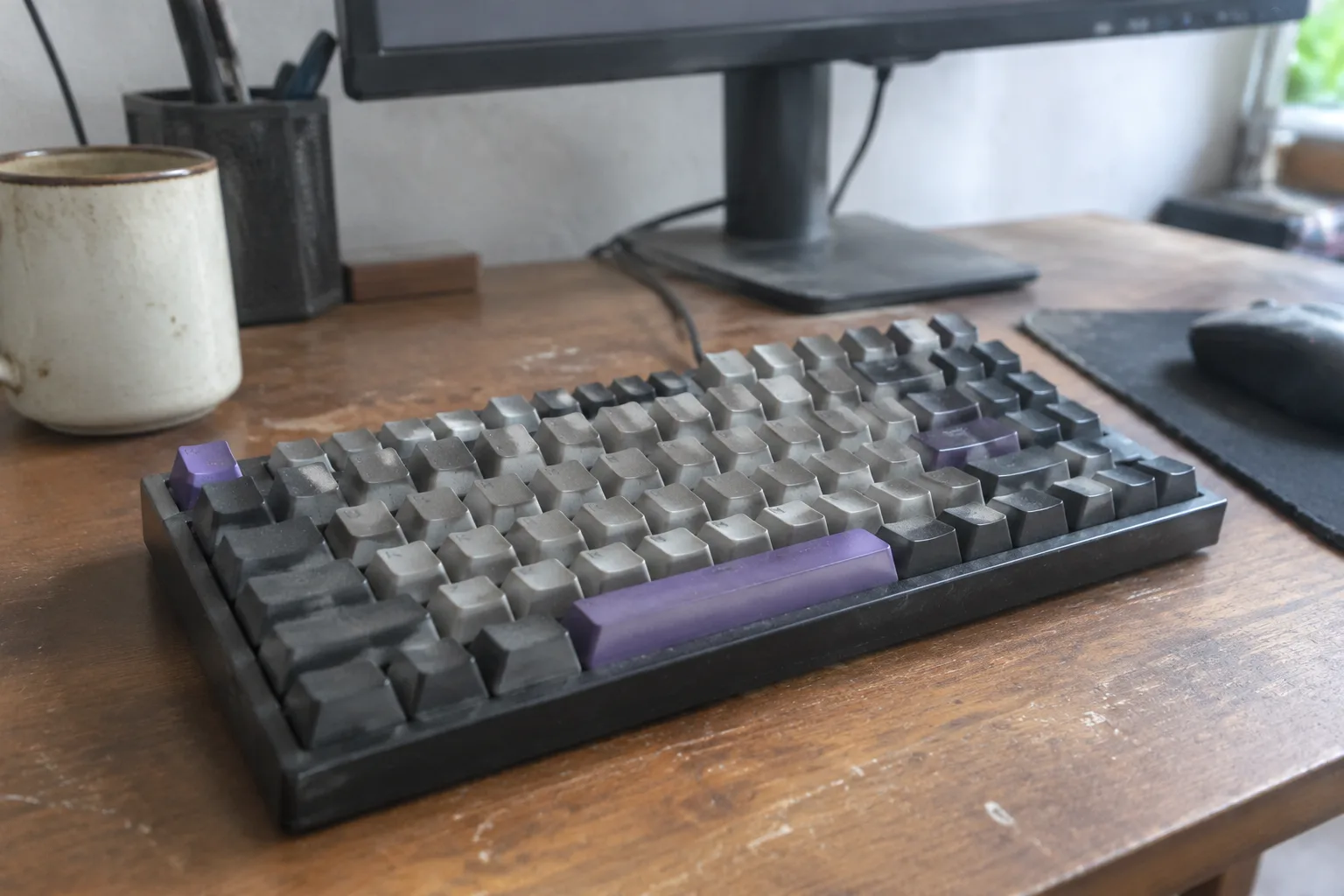
Two keyboards sit on the same desk, and the price gap between them could cover a month of groceries. One costs about $40. The other runs past $400. Both have plastic cases, both click, both type the alphabet. The question that actually matters for anyone shopping is narrower than the hobby forums make it sound: at what point does extra money stop buying a better typing experience and start buying decoration?
Walk into any mechanical keyboard discussion and the numbers fly around like sports statistics. Group buys, GB extras, artisan keycaps, lubed switches, gasket mounts, foam mods, tape mods. The hobby rewards spending, and it rewards talking about spending. A sensible budget gets lost in the noise. The honest answer is that the useful ceiling for most people sits somewhere between $80 and $150, and almost everything above that is a choice about aesthetics, collectibility, or the pleasure of tinkering, not about whether the board types well.
Getting to that conclusion means separating what a keyboard does from what a keyboard is.
The $40 floor and what sits under it
A $30 to $50 mechanical board exists and it works. It usually arrives with an ABS plastic case, a plate that flexes more than it should, and switches that feel scratchy out of the box. Stabilizers rattle. The space bar sounds like a small door slamming in another room. None of this stops a person from typing. Plenty of writers produce thousands of words a day on cheap boards and never think about it.
The floor has risen in the last few years. Budget brands now ship hot-swappable sockets, which means a failed switch can be pulled and replaced with a five-dollar pack rather than requiring a soldering iron. A $50 board in 2024 offers things that cost $120 in 2018. That shift matters, because it moves the real decision point upward. The question is no longer whether a cheap board can survive daily use. It usually can. The question is how it feels while doing so.
The $80 to $150 band where the money does real work
This is where the case stops flexing, the stabilizers arrive tuned, and the switches come pre-lubricated from the factory. A board in this range typically offers a gasket mount, which floats the plate on soft material so the typing feel has a little give, softer bottom-out, less harshness at the end of each keystroke. It usually includes a decent set of PBT keycaps that will not shine up after six months of finger oil.
The difference between a $45 board and a $110 board is audible across a room. The cheap one clacks and rings. The mid one thocks. Those words get mocked outside the hobby, but they describe something real: resonance, damping, the way the case absorbs energy rather than passing it into the desk. A person who types for a living will notice the change on the first afternoon and stop noticing it by the end of the week, which is exactly the sign of a good purchase. It disappears into the work.
This band is also where the layout becomes a choice rather than a default. Full-size boards with a number pad still exist, but the mid range is crowded with 75 percent and TKL layouts that free up desk space for a mouse or a notebook. A compact board that costs $120 and fits the hand well beats a $250 board that fights the wrist every hour.
Where $200 starts paying for personality
Above roughly $180, the returns flatten hard. A $250 board is usually a machined aluminum case, which is heavier, denser, and quieter. It feels substantial in a way plastic does not. It also transmits a different sound signature that many people prefer and many people do not. Aluminum is a material choice, and material choices are taste.
That is the honest core of the upper tier: it sells character. A heavy case, a custom colorway, a particular switch that only one vendor stocks, a keycap set with a theme. None of it improves typing accuracy or speed. All of it improves the small daily ritual of sitting down at the desk, and ritual has value. The trouble starts when a buyer assumes the price tag guarantees a better experience. It guarantees a different one.
There is a real cost hidden in the upper tier too, and it is time. A $300 custom build typically arrives as parts: case, PCB, plate, switches, stabilizers, keycaps. Assembly takes an evening. Tuning stabilizers takes another. Lubing switches by hand, if the buyer goes that route, can eat a weekend. The finished board may be lovely. The project is the point for some people and a trap for others.
The hidden ledger of mods and group buys
Hobby spending rarely stops at the board. A person buys a $120 keyboard, then reads a thread about tape mods and foam, then buys a switch puller and a keycap puller, then a set of replacement switches, then a wrist rest, then a desk mat, then a second board because the first one is now the "travel" board. The original budget was $120. The actual outlay over a year is closer to $400, and none of it shows up in the sticker price.
Group buys make this worse because they defer the pain. A keycap set ordered in spring arrives in winter, long after the card was charged, and by then the buyer has forgotten the cost and only feels the excitement of the package. This is a hobby with a strong collecting current running underneath the typing current, and the two get confused constantly.
What actually breaks and what a warranty covers
Keyboards fail in boring ways. A switch develops a chatter, registering two presses for one. A USB port works loose. A stabilizer wire pops out of its housing. A controller dies after a spill. Most of these are cheap to fix on a hot-swappable board and annoying to fix on a soldered one.
Warranty coverage across the price range is roughly similar in length, often one year, and the difference is in how easy the claim is to file. A large budget brand may have a support portal and a replacement policy. A small group-buy vendor may answer emails slowly and ask the buyer to ship the board back at their own cost. Paying more does not reliably buy better support. It buys a different seller, and the seller matters more than the price.
The case for a $120 board and a spare set of switches
For most people, the sane allocation looks like this: spend around $100 to $140 on a hot-swappable board in a layout that fits the desk, confirm the stabilizers are tuned or learn to tune them, and set aside $20 for a spare pack of switches and a keycap puller. That combination handles years of daily typing, survives a spill or a failed switch, and leaves money for the desk mat and the wrist rest that actually affect comfort.
The $400 board is a fine thing to want. It is a poor thing to buy as a first mechanical keyboard, because the buyer has no reference point for what the money changed. A person who types on a $110 board for a year learns what they like and what they do not, and that knowledge is worth more than the difference in price.
The moment the upgrade stops being about typing
There is a test that separates a useful purchase from a hobby purchase, and it is simple. Hand the board to someone who does not care about keyboards and ask them to type a paragraph. If they notice nothing, the buyer has paid for taste. That is allowed. Taste is a legitimate reason to spend money on a tool used every day.
But the test clarifies the budget. The money that buys a better typing experience runs out somewhere around $150. Past that line, the receipts are for color, weight, sound, and the pleasure of ownership. A person who knows which line they are crossing spends better, and a person who does not ends up with a $400 board and a nagging suspicion that the $110 one felt about the same.
The keyboard on the desk is a tool and a small piece of furniture. Budget for the tool first, then decide, with clear eyes, whether the furniture is worth the extra. The tool has a price. The furniture has a price too, and it is almost always higher than the typing.